Clicks tell you what happened
Emotions tell you Why
In 2025, designing only for usability is like measuring music with a stopwatch. Accurate but incomplete. For years, UX success was defined by clean, rational metrics: click-through rates, task completion times, bounce rates, heatmaps. These numbers told us what users did, but rarely how they felt while doing it.
Today, that's changing. In a world where digital experiences shape brand perception more than ever, emotional response has become a core UX metric. Whether it's the sense of calm in a meditation app, the confidence you feel making a banking transaction, or the thrill of unlocking a gaming reward — emotional resonance determines whether users return, advocate, and ultimately, trust your brand.
At Yuvabe Studios, we've seen this shift firsthand across industries and platforms. As seasoned designers, the challenge before us is clear: move from designing for clicks to designing for connection.
Tools & Methods: Mapping and Measuring Emotion in UX
Quantifying feelings may sound abstract — but in modern UX practice, emotion is increasingly measurable. Leading design teams and researchers are using a combination of qualitative and AI-assisted methods to bring emotional intelligence into UX strategy.
At Yuvabe Studios, we draw on these emerging best practices to inform how we approach emotional design for different sectors and use cases.
1. Emotion Mapping Workshops
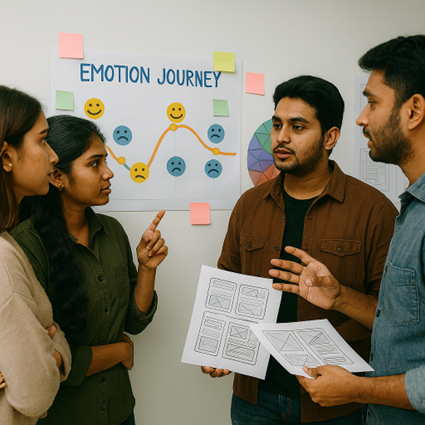
One of the most effective ways to surface emotional dynamics is through emotion mapping — collaborative sessions where users, stakeholders, and designers chart emotional journeys through key flows.
- Identify emotional peaks and troughs during interactions (e.g., onboarding, checkout, task success).
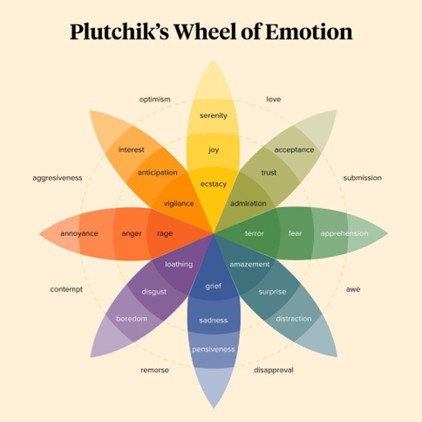
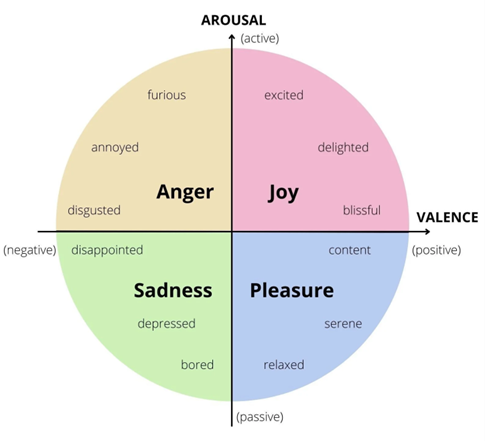
- Use tools like Plutchik’s Wheel of Emotions or valence–arousal grids to label states precisely (e.g., “reassured,” “tense,” “delighted”).
- Align emotional goals with business outcomes — for example, reducing “frustration spikes” during checkout can directly increase conversion.
2. Affective Design Testing
Beyond traditional usability testing, affective testing incorporates structured probes to gauge real-time emotional response:
- Facial expression analysis using AI tools during prototype sessions.
- Self-assessment manikins (SAM) to capture nuanced emotional reactions non-verbally.
- Physiological measures (e.g., heart rate variability, galvanic skin response) in high-stakes contexts like healthcare or fintech.
These methods provide designers with a more holistic picture of user experience, blending emotional and functional data.
3. Sentiment Analysis on User Feedback
AI tools can now analyze open-text feedback, app store reviews, and support tickets to extract emotional tone at scale.
- Detect patterns of delight, frustration, or confusion.
- Feed these insights into design sprints to close the loop between emotion and iteration.
Emotion mapping turns vague “user feelings” into concrete, actionable design insights — guiding teams toward experiences that not only work well but feel right.
3 Quick Wins for Emotional UX
- Map Emotional Peaks: Run a short emotion-mapping exercise on one critical flow. Find one frustration point and redesign it.
- Language Audit: Review microcopy. Replace neutral text with language that reassures, excites, or delights.
- Micro-interaction Pass: Add or refine subtle animations or haptic feedback at moments of success or waiting.
These small changes often yield disproportionate impact on retention and brand recall.
Designing for Feelings: Real-World Examples
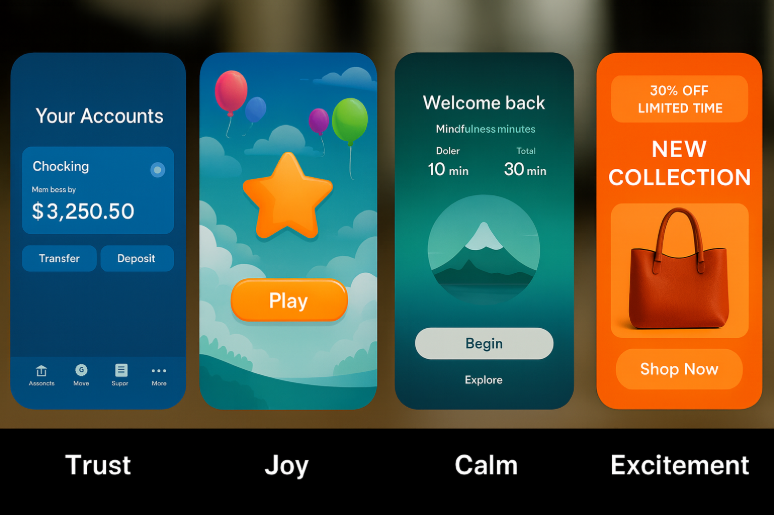
Different contexts demand different emotional outcomes. Here’s how leading apps (and our design strategies at Yuvabe) align emotion with intent:
| Domain | Desired Emotional Response | Design Strategies |
|---|
| Banking & Fintech | Safety & Trust | Minimal UI, strong visual hierarchies, reassuring microcopy (“Your transaction is secure”), consistent feedback loops |
| Gaming & EdTech | Joy & Motivation | Gamification, progress rewards, playful animations, immediate feedback |
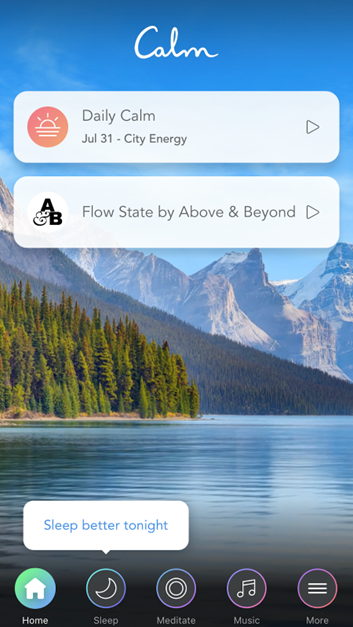
| Wellness & Meditation | Calm & Presence | Gentle motion design, neutral palettes, generous white space, intuitive flow without cognitive overload |
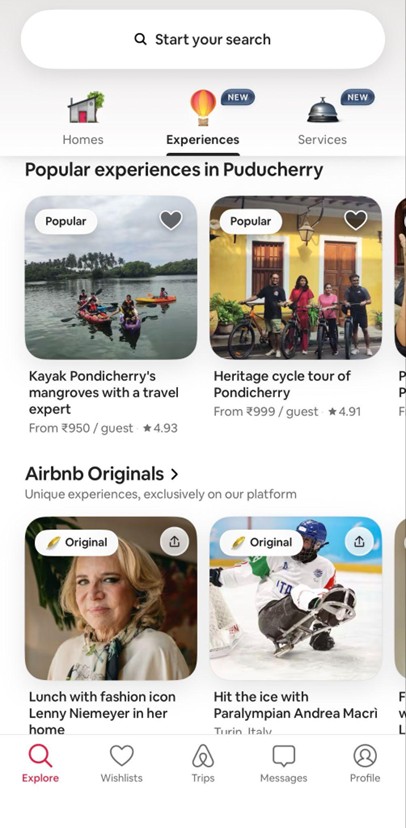
| E-commerce & Retail | Excitement & Anticipation | Personalization, emotionally intelligent product recommendations, micro-interactions that feel “human” |
Designing “for feelings” doesn’t mean adding decorative elements — it means orchestrating every interaction to evoke a specific emotional state, consistently and intentionally.
Balancing Functional and Emotional UX
A common misconception is that emotion comes after functionality. In reality, they’re intertwined. A payment form that works perfectly but looks cold and intimidating fails just as much as one that looks warm but throws errors.
Our framework at Yuvabe Studios focuses on three layers:
- Foundational Layer – Reliability, usability, accessibility.
- Interaction Layer – Micro-interactions, feedback, clarity.
- Emotional Layer – Tone, atmosphere, personality, story.
The key is to balance these layers, ensuring emotion enhances — not overshadows — usability. Emotional design must always serve user goals and business outcomes, not distract from them.
Final Thoughts: The Future of UX Is Emotional
The next wave of digital experiences will be judged less by how quickly users complete tasks, and more by how those tasks made them feel. As AI, AR, and ambient computing blur the boundaries between digital and physical, emotion will become the secondary differentiator between good design and great design.
At Yuvabe Studios, we're pushing this frontier — blending design research, emotional intelligence, and technology to build experiences that connect deeply and convert consistently.
Whether you’re building a fintech platform, a meditation app, or the next big e-commerce experience, ask yourself not just “Is it usable?” but “Does it make them feel something?”
Partner with Yuvabe Studios
Whether you’re reimagining your app experience or launching a new digital platform, our UX team blends strategic research, emotional design methods, and cutting-edge technology to create experiences that connect deeply and convert consistently.
Let’s design experiences people feel — not just use. Talk to our UI/UX experts today.
About the Authors
Priya
Priya is the UI/UX Mentor & Practice Head at Yuvabe Studios, with over 15 years of experience leading design strategy and execution for global brands. Her work spans fintech, edtech, wellness, and consumer experiences — with a focus on crafting emotionally intelligent, high-impact digital products that drive measurable business outcomes.
Sagar
Sagar is the Design Lead – UI/UX Design Practice at Yuvabe Studios, where he spearheads user-centered product design and interface innovation across multiple sectors. His approach blends creative experimentation with structured design systems to deliver seamless, engaging user experiences.